When your toilet keeps clogging, the cause may be too much paper, a weak flush, a partial blockage, or a problem deeper in the drain. A single clog may clear with a plunger. Clogs that return need a closer look at the toilet, branch drain, or sewer line.
A toilet clog is more than a small household nuisance. It may point to a fault inside the toilet or a blockage farther down the plumbing system. Early action can help protect floors, walls, nearby fixtures, and the main drain.
Table of Contents
- Why does my toilet keep clogging?
- What are the most common causes of a frequently clogged toilet?
- Could a partial blockage be causing repeated toilet clogs?
- Can the toilet itself be responsible for frequent clogging?
- How can I safely unclog a toilet at home?
- What should I avoid when my toilet keeps clogging?
- Could the main sewer line be causing toilet clogs?
- When should I call a plumber for repeated toilet clogs?
- How can I prevent my toilet from clogging again?
- What is the best way to solve a toilet that keeps clogging?
- Frequently Asked Questions
Why does my toilet keep clogging?
A toilet that clogs often usually has an ongoing problem. The cause may be inside the bowl, the toilet trap, or the drain. A single clog can come from extra paper or one wrong item. Repeat clogs show that water and waste are not moving through the system well.
Common patterns that point to an underlying problem
The timing of each clog can give useful clues. A blockage after every large flush may point to a weak toilet or narrow passage. A clog after several normal uses may suggest a partial blockage. If the bowl rises when another fixture drains, a shared drain may have a problem.
Slow emptying is another warning sign. Water may spin for a long time before it leaves the bowl. The toilet may gurgle, bubble, or make a sucking sound. These signs can appear before a full blockage forms.
The toilet type matters too. Older models may have less flushing power than newer water-saving models. Still, a low-water toilet should clear normal waste when it works properly. Repeated failure is not normal just because the toilet uses less water.
When repeated clogs need professional troubleshooting
A homeowner can try basic clearing when the bowl is not close to overflowing and the cause seems clear. A flange plunger, careful cleaning, and better flushing habits can solve many simple clogs. A flange plunger has a rubber lip that fits into the toilet opening. Tenants should tell the owner or manager before making repairs beyond basic plunging.
Professional troubleshooting is wise when the clog returns soon after clearing. It is also needed when several fixtures have symptoms, wastewater backs up, or the bowl overflows without a clear reason. Chino Valley Plumbing helps homeowners and property owners tell a toilet problem apart from a larger drain issue.
What are the most common causes of a frequently clogged toilet?
The most common causes are too much paper, unsuitable items, weak flushing, and restrictions in the toilet or drain. Finding the likely cause helps show whether simple care is enough or whether the plumbing needs an inspection.
Excessive paper and unsuitable items
Toilet paper breaks apart in water, but large amounts can still form a thick mass. This is more likely when the toilet has a small trapway or weak flush. Several large loads at once can overwhelm a toilet that works well during normal use.
Many items should never go down a toilet. Wipes, paper towels, tissues, cotton products, diapers, dental floss, and cleaning pads can catch inside the trap or drain. Even products marked as flushable may not break apart as quickly as toilet paper. The safest habit is to flush only human waste and toilet paper.
Children may also drop toys or other objects into the bowl. These objects can lodge where a plunger cannot move them. Trying to force the object farther into the drain may make removal harder.
Low-flush performance and drainage restrictions
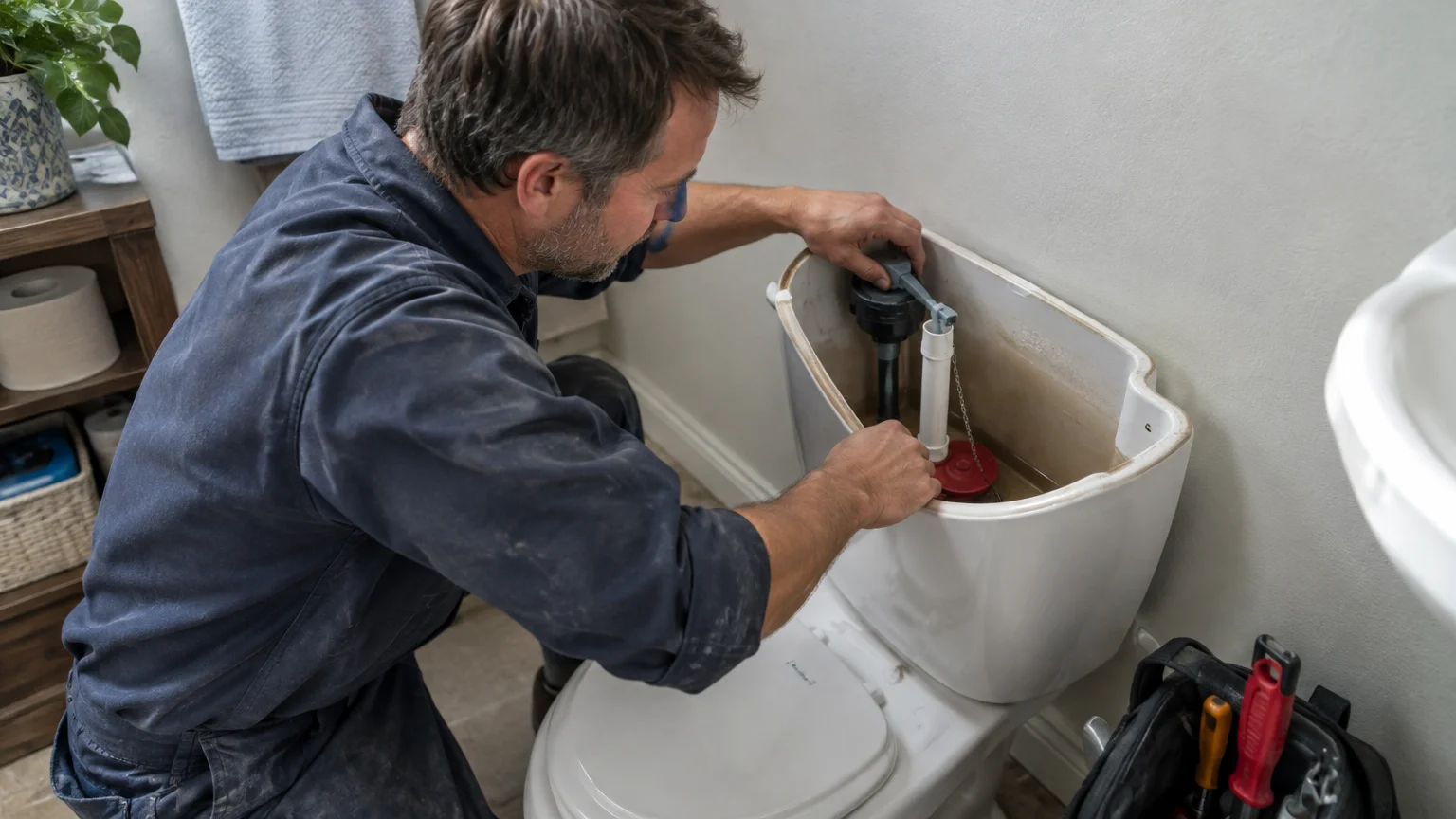
A toilet needs enough water and force to move waste through its trap and drain. A low tank water level can weaken the flush. A worn flapper, damaged fill valve, or faulty inlet valve can also stop the tank from filling correctly.
A fill valve is the tank part that lets fresh water enter after a flush. It stops the flow when the water reaches the right level. Fill valve toilet repair may help when the tank fills slowly, stops too soon, or never reaches its marked line. Do not raise the water above the maker's mark.
Drain restrictions can form from paper, mineral deposits, roots, or a damaged pipe. In a business, heavy use may reveal a problem sooner. Drain cleaning may help when buildup affects more than one fixture.
Could a partial blockage be causing repeated toilet clogs?
Yes. A partial blockage lets some water pass while trapping waste and paper. Each flush can add more material until the toilet clogs fully. This often explains why a toilet seems fine after plunging but fails again later.
How partial obstructions affect flushing
A partial obstruction narrows the path through the toilet trap or drain. Water may drain slowly, rise higher than normal, or spin without a strong pull. The toilet may clear a small load but clog after normal use.
A partial blockage can also make water move in odd ways. The bowl may bubble when a nearby sink, tub, or washing machine drains. If another fixture changes the toilet water level, the problem may be in a shared branch drain or the main sewer line.
Watch what happens before, during, and after a flush. Useful details include the water level, flushing sound, drain speed, and nearby fixture movement. These details can help a plumber find the likely problem area.
Why plunging may only provide temporary relief
Plunging can open a small path through soft material without removing the whole blockage. The material left behind may catch more waste later. A plunger can also fail when the blockage is hard, deep, or caused by an object.
Hard plunging can damage the toilet seal. It may also send dirty water onto the floor. If the toilet clogs again after one careful attempt, the next step should be diagnosis instead of endless plunging.
A toilet auger can reach farther into the trap. It is made for toilets and has a sleeve that helps protect the bowl. If the auger cannot pass or the problem returns, a professional drain inspection is safer.
Can the toilet itself be responsible for frequent clogging?
The toilet itself may cause frequent clogs when its flush is weak, its jets are blocked, or its inner parts do not work well. Age, design, damage, and poor installation can also affect how well it clears waste.
Weak flushes, blocked jets, and tank problems
Small openings under the rim are called rim jets. They send water around the bowl during a flush. Mineral deposits can block these openings and weaken the water flow. Cleaning the rim and bowl may help, but hard deposits may need careful professional removal.
The siphon jet is a larger opening that helps pull water through the trap. If it is blocked, the toilet may swirl without clearing the bowl. A toilet bowl fill valve repair will not fix a blocked jet, so the symptoms should be checked before parts are replaced.
Tank parts can also cause poor performance. A worn flapper may close too soon. A faulty fill valve may leave too little water in the tank. A damaged handle or chain may stop the flapper from opening fully. These parts can often be checked without removing the toilet.
How age, design, and installation affect performance
Some older toilets have narrow trapways or weak flush designs. A newer toilet may work better, but replacement is not always the first answer. The drain, vent, water level, and installation must also be checked.
A toilet can clog when it is not seated correctly over the closet flange. The closet flange connects the toilet outlet to the floor drain. A damaged or badly placed flange can affect the seal and alignment. A toilet closet flange repair kit may help in some cases, but the right part depends on the floor and flange condition.
A toilet that rocks, leaks at its base, or sits unevenly needs attention. Continued use can allow water damage below the floor. A professional can check the toilet, seal, flange, and nearby drain before suggesting a repair.
How can I safely unclog a toilet at home?
A homeowner can try a flange plunger when the bowl is stable, the blockage is recent, and no harmful cleaner was used. The safest method uses slow pressure and stops before the bowl can overflow.
The correct way to use a flange plunger
First, protect the floor with towels and remove the tank lid. If the bowl is nearly full, wait for the level to fall or remove some water with a container. Do not keep flushing a bowl that is rising.
Place the flange plunger over the bowl opening. Make sure it forms a good seal. Push down gently first, then pull up with steady force. Repeat several times while keeping the seal in place.
After a few attempts, lift the plunger slowly. If the water drains, add a small amount of water and test the flush once. Do not flush again and again. Clean and disinfect the plunger and nearby area when finished.
When to use a toilet auger instead
A toilet auger may help when the plunger does not clear the clog. Feed it gently into the bowl opening and turn the handle as the tool maker directs. Stop if it meets strong resistance or begins to bend.
Do not use an auger to push a sharp object deeper into the drain. An auger may also fail when the blockage is in the branch drain or sewer line. If it does not work, professional toilet repair or drain inspection is safer.
Homeowners should not remove a toilet unless they know how to shut off the water, disconnect the supply, lift the fixture safely, and replace the seal. The toilet is heavy. A poor reset can cause a hidden leak.
What should I avoid when my toilet keeps clogging?
Avoid chemical drain cleaners, hard plunging, unsafe tools, and continued flushing during an overflow. These actions can hurt people, damage plumbing, or make the clog harder to remove.
Why chemical drain cleaners can damage plumbing
Chemical drain cleaners are not a good choice for toilet clogs. The product may stay in the bowl or trap when the clog remains. It can splash onto skin or eyes and harm anyone who later plunges or opens the plumbing.
Some chemicals can harm older pipes, seals, finishes, and nearby parts. They may also mix with another cleaner and create dangerous fumes. Tell the plumber about any chemical used before work begins.
A mechanical method is usually safer for a simple clog. This means a proper plunger or toilet auger used with care. Professional Drain Cleaning is suitable when the clog is deep, repeated, or linked to other fixtures.
Items and techniques that can worsen the blockage
Do not use wire hangers, sharp tools, or random rods inside the bowl. They can scratch porcelain, damage the trap, or push an object farther down the drain. Do not pour boiling water into the toilet because sudden heat can crack porcelain.
Do not keep flushing to see if the problem has cleared. Turn the shutoff valve clockwise if the bowl begins to rise. If the valve does not work, remove the tank lid and hold the flapper closed while help is arranged.
Do not ignore a toilet that clogs again after a temporary fix. The problem may damage flooring or signal a sewer issue. Early attention is often safer than waiting for a full backup.
Could the main sewer line be causing toilet clogs?
A main sewer line problem can cause repeat toilet clogs, especially when several fixtures drain slowly or back up together. The main sewer line carries wastewater from the property to the public sewer or private system. A blockage there affects more than one fixture.
Warning signs of a shared drain or sewer problem
A toilet problem may involve the main line when sinks, tubs, and showers also drain slowly. Gurgling sounds, sewage smells, wet yard areas, or wastewater returning through a floor drain are important warnings.
A backup on the lowest level is especially concerning. Wastewater often appears at the lowest open drain when the main line cannot carry water away. Stop using fixtures until the source is checked. Continued use can send more water into the building.
Tree roots, pipe damage, settled soil, grease, and long-term buildup can restrict a sewer line. The cause cannot be confirmed from the toilet alone. A camera inspection may be needed to view the inside of the line.
How nearby fixtures can help identify the source
A toilet that clogs alone may have a local trap or branch drain problem. If the bathroom sink and tub show the same signs, the shared bathroom drain may be involved. If the kitchen, laundry, and other bathrooms react, the main line becomes more likely.
Note which fixtures were used when the problem appeared. This information can save time during diagnosis. It also helps to know whether the property has older drain pipes, recent remodeling, or past root intrusion.
Chino Valley Plumbing can help Chino Valley property owners review these signs and choose the next safe step. Residents in the main Chino Valley area, from Downtown Chino Valley and Appaloosa Meadows to Prescott, Prescott Valley, Paulden, Williamson Valley, and nearby communities, may need prompt help when wastewater threatens floors, walls, or occupied areas.
When should I call a plumber for repeated toilet clogs?
Call a plumber when clogs return, the toilet overflows, several fixtures are affected, or basic clearing does not work. Prompt help is also important when a leak, sewage smell, or damaged toilet part is present.
Urgent signs that need prompt attention
Some signs mean the problem should not wait. These include wastewater backing up, a toilet overflowing with sewage, a burst pipe, or water spreading near electrical equipment. Shut off the water when possible and keep people away from dirty areas.
A sudden loss of water pressure may need attention when it happens with leaks or pipe damage. To find a water leak in a house, check visible supply lines, listen for running water, and watch the water meter when no fixture is being used. Hidden leaks need professional testing.
A toilet that clogs after every flush, even with normal use, needs more than a routine plunge. The same is true when the toilet rocks, leaks at its base, or makes unusual sounds from the wall or floor.
What a professional inspection may include
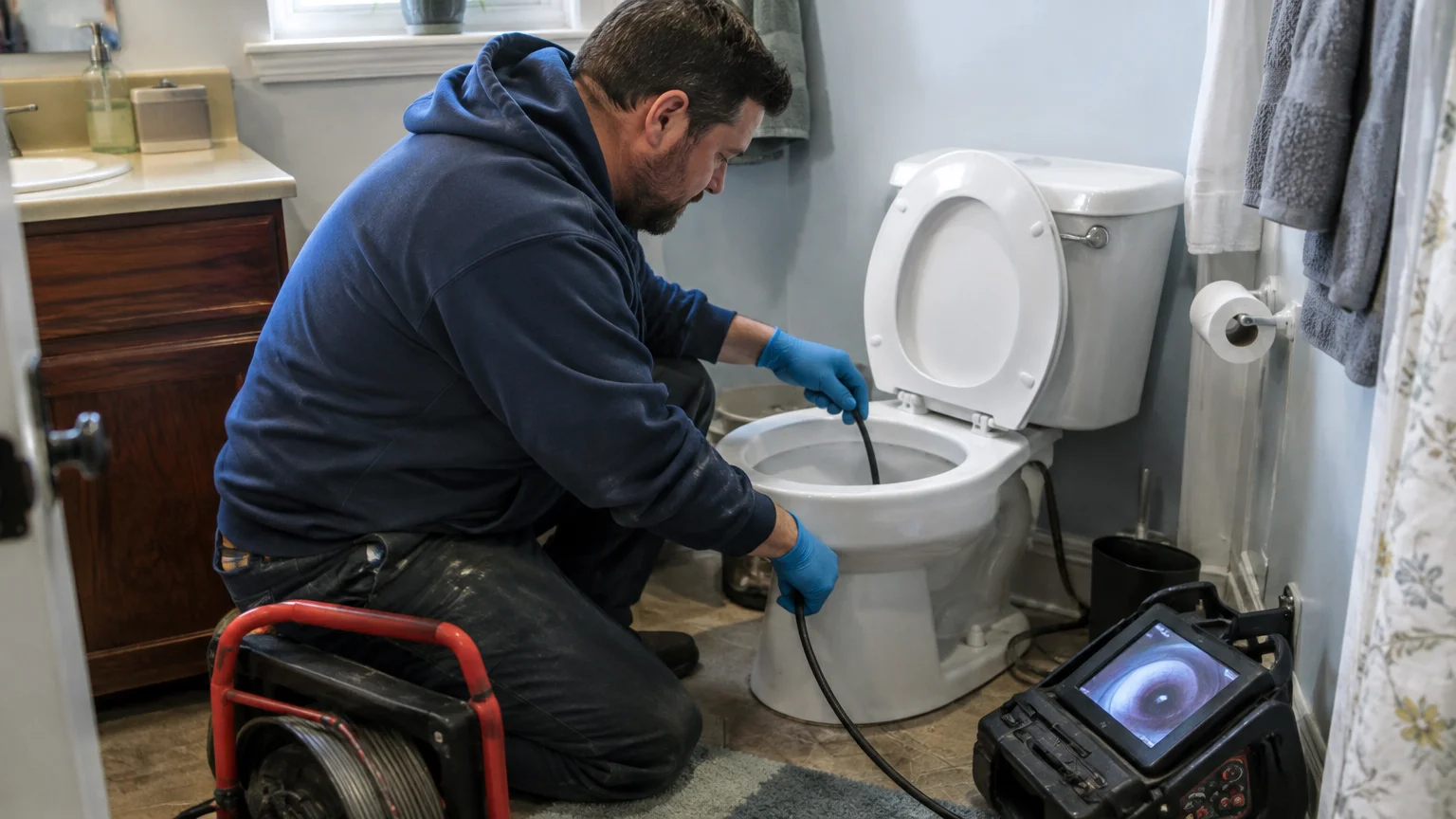
A plumber may check the tank level, flapper, fill valve, inlet valve, rim jets, trap, bowl, and closet flange. The drain may be tested to see how fast water moves. If several fixtures are affected, the branch drain and main sewer line may also need review.
Depending on the signs, the inspection may include a toilet auger, drain machine, camera, smoke test, or water leak test. The goal is to find the cause before choosing a repair. The final cost is confirmed on a quote before work begins.
Chino Valley Plumbing provides plumbing support for homes, rentals, and small businesses. The right service may involve toilet repair, drain cleaning, leak detection, or another plumbing repair based on the inspection.
How can I prevent my toilet from clogging again?
The best prevention steps are simple flushing habits, regular checks, and quick repairs. A toilet should receive only suitable waste and toilet paper. Warning signs should be handled before they become a backup.
Everyday flushing and maintenance habits
Use a reasonable amount of toilet paper and flush only when the bowl is ready. Keep wipes, paper towels, hygiene products, cotton items, toys, and cleaning cloths out of the toilet. Place a small waste bin in the bathroom for items that should not be flushed.
Check the tank water level from time to time. Look for a slow refill, running sound, weak flush, or water moving in the bowl when no fixture is being used. These signs may point to a fill valve, flapper, or inlet valve problem.
Clean the bowl and rim without mixing cleaning products. Do not use harsh chemicals as routine drain care. If mineral buildup returns quickly, ask a plumber whether the water supply or toilet parts need attention.
Long-term checks for residential and commercial properties
Property owners should inspect toilets during routine maintenance visits. Check for rocking, base leaks, loose handles, damaged supply lines, and water around the floor. Commercial restrooms need extra care because heavy use can reveal weak flushing or drainage problems sooner.
Managers should tell tenants what cannot be flushed. They should also provide a clear way to report leaks or repeated clogs. A quick report can help prevent water damage and protect shared plumbing.
Seasonal checks are useful after freezing weather, remodeling, landscaping, or major drain work. If roots, old pipes, or repeat backups are known concerns, planned inspection may be safer than waiting for an emergency.
What is the best way to solve a toilet that keeps clogging?
The best solution is to match the repair to the cause. A paper blockage may need careful plunging. A faulty fill valve, blocked jet, damaged flange, partial drain blockage, or sewer problem needs a different response. Repeating the same temporary fix will not solve the source.
A homeowner does not need a professional for basic plunging and simple visual checks when there is no overflow, chemical cleaner, sewage exposure, or hidden leak. Professional help is needed for repeat clogs, deep blockages, damaged parts, leaks, or symptoms that affect other fixtures.
Matching the solution to the underlying cause
Excess paper and unsuitable items require better flushing habits. A weak tank may need fill valve toilet repair, flapper adjustment, or another tank service. Mineral buildup may need cleaning or part replacement. A damaged closet flange or unstable toilet needs a proper fixture repair.
A partial blockage may need an auger or drain cleaning. A shared backup may need a camera inspection and main line repair. The correct answer depends on where the restriction is and why it formed.
Key takeaways for safer toilet maintenance
- A repeat clog usually points to an ongoing toilet, drain, or sewer problem.
- Flush human waste and toilet paper only.
- Use a flange plunger before trying stronger methods.
- Avoid chemical drain cleaners, boiling water, and sharp tools.
- Call a plumber when several fixtures react or wastewater backs up.
Careful diagnosis protects the toilet and the wider plumbing system. Contact us to arrange professional help from Chino Valley Plumbing for a recurring toilet problem.
Frequently Asked Questions
Why does the toilet clog even when only toilet paper is flushed?
A toilet can clog with normal toilet paper when the trap is narrow, the flush is weak, or a partial blockage is already present. Low tank water, a worn flapper, blocked rim jets, and a restricted drain can also reduce flushing power. Repeat problems need inspection instead of harder plunging.
How do you know if a toilet clog is in the main sewer line?
A main sewer line problem often affects more than one fixture. Slow sinks, backed-up tubs, gurgling drains, sewage smells, or water returning through a floor drain are useful clues. A toilet that clogs alone is more likely to have a local blockage, but testing is needed to confirm the location.
Can a bad fill valve make a toilet clog?
A bad fill valve can cause a weak flush by leaving too little water in the tank. It may also fill slowly or fail to stop the flow. Fill valve repair can restore the tank level, but it will not remove a blockage in the trap, branch drain, or sewer line.
Is it safe to use a chemical drain cleaner in a toilet?
Chemical drain cleaner is generally unsafe for toilet clogs. It may remain trapped in the bowl, splash during plunging, damage parts, or create harmful fumes when mixed with another product. A flange plunger or toilet auger is safer for simple blockages. Repeat clogs need professional troubleshooting.
When should a homeowner stop trying to unclog a toilet?
Stop when the bowl may overflow, an object is stuck, chemical cleaner was used, or plunging does not solve the problem. Professional help is also needed when the clog returns, another fixture backs up, sewage appears, or the toilet leaks at its base.
Chino Valley Plumbing can help property owners review a recurring toilet problem and choose the next safe step.
If you are not sure what you are dealing with, it is worth having someone look at it before it turns into a bigger job. Get in touch with Chino Valley Plumbing today and we will tell you where you stand.