The drain camera inspection cost depends on pipe access, pipe length, urgency, and the issue found. A camera can be worth the service because it shows the pipe’s true condition. This view can prevent guesswork, repeated clogs, and repairs that miss the main problem.
A blocked drain may seem like a small home issue. A plunger or careful cleaning may fix a simple clog. But slow drains, sewage smells, wet ground, and repeat backups may point to a deeper problem. In those cases, a camera can help a plumber find the cause before repair work begins.
For homeowners and property managers in Chino Valley, a good diagnosis can help protect floors, walls, yards, and sewer lines. Chino Valley Plumbing helps local property owners understand which drain service may fit the problem. This guide explains what a camera inspection does, what it can find, and what may happen next.
Table of Contents
- What Is a Drain Camera Inspection?
- How Much Does a Drain Camera Inspection Cost?
- Is a Drain Camera Inspection Worth Paying for First?
- When Should You Schedule a Drain Camera Inspection?
- What Can a Drain Camera Inspection Find?
- What Happens During a Drain Camera Inspection?
- How Do You Choose the Right Next Step After an Inspection?
- Frequently Asked Questions
What Is a Drain Camera Inspection?
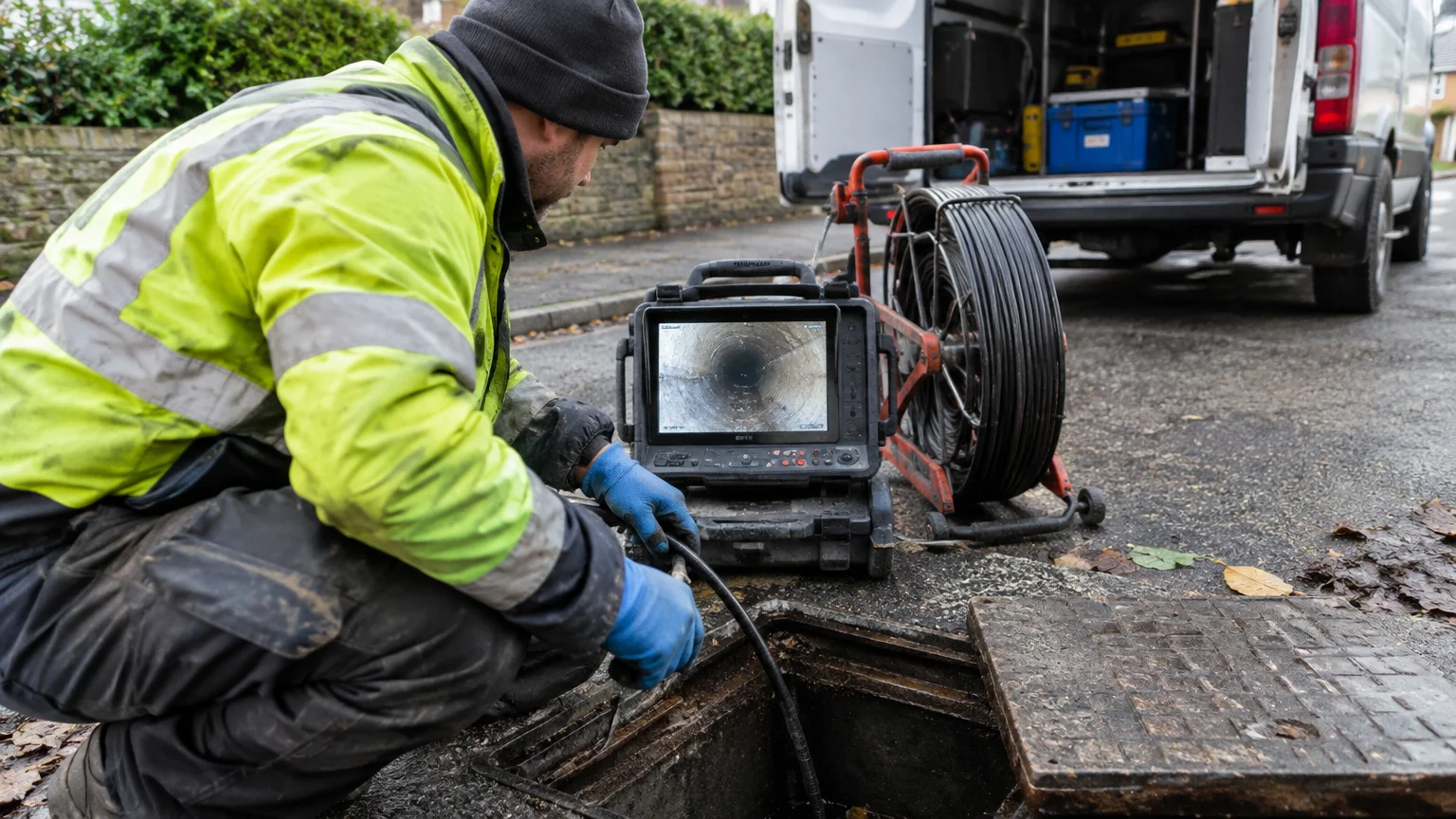
A drain camera inspection uses a small waterproof camera inside a drain or sewer pipe. The camera is fixed to a flexible cable. A plumber guides the cable through an access point while watching the live video.
This method shows problems that cannot be seen from a sink, toilet, or cleanout. A drain opening may look clear while a broken pipe or thick buildup sits farther down the line. The camera gives the plumber a closer view before work starts.
How plumbers use a camera to examine drain and sewer pipes
The plumber first finds a safe access point. This may be a cleanout, a removed toilet, or another opening in the drainage system. The camera then moves through the pipe while the plumber watches for water, buildup, roots, and damaged joints.
Many inspection cameras have a transmitter. This tool helps the plumber find the camera’s position below ground. That information can show where a buried sewer problem sits. It may help limit digging in a yard or floor.
What problems a camera inspection can identify
A camera may show a blockage, crack, collapsed area, root growth, or separated pipe joint. It may also reveal grease, scale, wipes, or other material that narrows the pipe. This view can help separate a simple clog from a damaged line.
A camera inspection does not replace every plumbing test. Heavy water, a tight blockage, or poor access may limit the view. Even so, the video often gives useful facts for a safer repair plan.
How Much Does a Drain Camera Inspection Cost?
The drain camera inspection cost changes from one property to another. The final quote depends on access, pipe size, pipe length, blockage conditions, urgency, and the report or follow-up work needed. The final cost is confirmed on a quote after the plumber reviews the job.
A camera inspection is a diagnostic service, not a repair. It may involve less work than opening a buried pipe. It may need more setup than basic drain cleaning. A clear diagnosis may also prevent work that would not fix the real cause.
What factors affect the cost of a camera inspection
Access is one of the main factors. An open outdoor cleanout may make the inspection easier. A buried, damaged, or hard-to-reach opening may need more preparation. Pipe length, size, and condition can also change the work involved.
Urgency may matter when sewage backs up or flooding may damage the building. A business may need a larger inspection area or special timing. The plumber should explain what the service includes and confirm the final quote before work starts.
How the inspection compares with other drain services
Basic drain cleaning removes material that blocks water flow. A plumbing snake may open a path through a clog, but it may not show a crack or root problem. A camera inspection focuses on finding and confirming the cause.
Sometimes both services help. The plumber may need to clear the line before the camera can pass. Drain cleaning, sewer line repair, and emergency drain cleaning solve different problems. The right choice depends on the first checks and the camera findings.
Is a Drain Camera Inspection Worth Paying for First?
A drain camera inspection may be worth doing first when a blockage keeps returning. It may also help when repair work could require major digging. The camera gives facts about the pipe’s location and condition. Those facts can help the owner compare repair choices.
A camera may not be needed for every slow sink. A homeowner can try a plunger, remove visible hair from a cover, or clean a removable trap when no sewage is present. A professional is needed when the drain stays blocked, several fixtures are affected, or wastewater enters the home.
When a diagnosis can prevent unnecessary drain repairs
A repeat blockage does not always mean the whole pipe needs replacement. The cause may be grease, scale, roots, a sagging section, or an object in one spot. The camera can help show the condition before a plumber suggests a larger job.
The inspection can also help when another service already cleared the drain. If the problem returns, opening the path again may only offer short-term relief. A closer look may show why the line keeps failing.
When a camera inspection may be especially valuable
A camera can help before buying a property with older underground drain lines. It may also help after a sewer backup, major remodel, or soil movement. Owners planning an addition may want to know the condition of buried lines first.
Chino Valley Plumbing can help property owners ask useful questions before drain work begins. The owner should ask what the camera found, where the issue is, what repair is advised, and whether more testing is needed.
When Should You Schedule a Drain Camera Inspection?
Consider a drain camera inspection when drainage problems return, affect several fixtures, or show signs of buried pipe trouble. It is most useful when ordinary cleaning works for only a short time.
One slow drain may have a simple cause. A home-wide problem can point to a shared branch line or main sewer line. Fast action matters when wastewater backs up. Dirty water can damage building materials and create health risks.
Warning signs that may indicate a hidden pipe problem
Common warning signs include:
- Drains that slow down again soon after cleaning
- Gurgling sounds from toilets, tubs, or sinks
- Sewage smells near drains or outdoor cleanouts
- Wet or soft ground near a sewer line
- Several fixtures backing up at the same time
- Toilet water rising when another fixture drains
These signs do not prove that a pipe is broken. They do show that a closer check may help. Stop using affected fixtures when sewage backs up, and seek professional guidance.
Why recurring blockages deserve a closer inspection
Recurring clogs often mean the first opening did not fix the main cause. A plumbing snaking drain service may restore flow. However, a snake may pass through a small opening while roots, cracks, or thick buildup remain behind.
A camera can show whether the line is open and stable. It can also show whether the pipe is still narrow. The camera may find where a branch line joins the main sewer. That detail helps the owner choose between more cleaning and lasting drain repair.
What Can a Drain Camera Inspection Find?
A drain camera inspection can find blockages, pipe breaks, roots, buildup, poor connections, and collapsed sections. It may also show a shifted or sagging pipe. These findings help explain why water moves slowly or backs up.
The camera works best when the line is open enough for the lens to pass. A serious blockage may need clearing first. A good plumber will explain what the camera could see and point out any limits.
Common causes of blocked or damaged drain lines
Grease and food waste can narrow kitchen lines. Hair, soap, and foreign objects can affect bathroom drains. Wipes may also cause trouble because they can collect with other waste inside the line.
Older pipes may have cracks, rust, separated joints, or weak walls. Tree roots can enter through small openings and grow inside the pipe. Soil movement, poor installation, and heavy vehicles can also affect buried sewer pipes.
How inspections locate pipe breaks, roots, and buildup
The plumber watches for changes in the pipe wall, standing water, missing sections, and material stuck to the pipe. A camera transmitter may help mark the problem’s location above ground. This can limit unnecessary digging.
A camera may show the difference between a local blockage and a wider pipe failure. It may also show that the line is sound after cleaning. In that case, the owner may only need better drain care and safer use.
What Happens During a Drain Camera Inspection?
During an inspection, the plumber finds access, checks the line, guides the camera, and reviews the results. The work often causes less disruption than opening a wall, floor, or yard. The plumber should explain each step before beginning.
The owner should clear the area near the access point. Tell the plumber about recent backups, past repairs, and drain products used. This history can help the plumber understand what appears on the screen.
How the plumber prepares and accesses the drain
The plumber may inspect a cleanout, remove a drain cover, or use another entry point. The opening must be large enough for the equipment. Some homes may require toilet removal or access through a service area.
A professional should protect nearby surfaces and work safely. Homeowners should not open sewer cleanouts during an active backup without help. Wastewater may spill under pressure and can contain harmful germs.
What happens after the camera reaches the problem area
The plumber reviews the video and explains the findings. The owner may learn whether the issue is a clog, root growth, broken pipe, or another condition. The plumber may also mark the likely problem area outside.
The next step may include drain cleaning, drain repair, sewer line repair, or more testing. Ask what each option solves and what may happen if the work is delayed. A written quote should confirm the final cost before repair work begins.
How Do You Choose the Right Next Step After an Inspection?
The right next step depends on the pipe condition, blockage type, access, and owner’s goals. A clean, sound pipe may need only careful use and routine care. A damaged line may need repair or replacement to prevent more backups.
A homeowner does not need a professional for every drain task. Safe upkeep includes using screens, removing visible debris, keeping grease out of sinks, and following product directions. Chemical drain cleaners can harm some pipes and create safety risks. Ask a plumber when the cause is not clear.
When drain cleaning may resolve the problem
Drain cleaning may solve the issue when the pipe is sound and the blockage comes from grease, hair, soap, food, or soft buildup. A professional may use a drain snake, auger, or water jet when the pipe and blockage allow it.
Cleaning may not solve a cracked, collapsed, or root-filled line. If the same blockage returns, ask whether another camera inspection is needed. The goal is to restore flow and stop the same failure from returning.
When pipe repair, replacement, or further testing may be needed
Drain repair may be needed when the camera shows a focused break or separated joint. Replacement may fit better when a long section has collapsed or badly worn. Some jobs may need another test to check flow, pipe shape, or connections.
Compare the pipe condition, risks, access needs, and expected service life of each choice. A licensed plumber can explain whether a small repair or larger project makes sense. Chino Valley Plumbing provides plumbing guidance for homes and businesses across the Chino Valley area, including Downtown Chino Valley, Appaloosa Meadows, Prescott, Prescott Valley, Paulden, Williamson Valley, and nearby communities.
Key Takeaways
- A camera inspection shows the inside of a drain or sewer pipe.
- The drain camera inspection cost depends on access, length, urgency, and condition.
- Repeat clogs may signal roots, breaks, buildup, or a collapsed section.
- Homeowners can handle simple cleaning but should avoid risky sewer work.
- The repair choice should follow the inspection findings and a confirmed quote.
Frequently Asked Questions
Is a drain camera inspection needed for every clog?
No. A simple, first-time sink clog may respond to safe home cleaning or a plunger. A camera becomes more useful when the blockage returns, affects several fixtures, follows a backup, or may involve a buried sewer line. A plumber can decide whether the inspection will add useful information.
Can a plumbing snake drain service find a broken pipe?
A drain snake can open a path through some blockages. It does not provide the same view as a camera. It may clear symptoms while leaving a crack, root problem, or collapsed section in place. A camera inspection can show whether the pipe itself is damaged.
Do baking soda and vinegar clean a blocked drain?
Baking soda and vinegar may help with light residue. They cannot repair a broken pipe or remove serious roots. They may also fail against a deep blockage. Do not mix drain products. Professional advice is safer when water backs up or several drains slow down.
What are drain cleaning enzymes used for?
Drain cleaning enzymes are products made to break down some organic material over time. They do not fix pipe breaks, roots, collapsed lines, or hard objects. Follow product directions closely. Repeat blockages still need a proper diagnosis instead of ongoing treatment.
How long does a drain camera inspection take?
The time depends on access, pipe length, blockage severity, and whether the line needs cleaning first. A short, open line may be easy to view. A difficult property may need more preparation. The plumber should explain the expected process before the inspection begins.
Conclusion
A drain camera inspection can turn an unclear blockage into a clearer repair plan. It is most helpful when clogs return, several fixtures are affected, or a buried sewer line may be damaged. The inspection does not replace every drain service, but it can help match the solution to the real problem.
Property owners in Chino Valley can start with safe checks for minor issues. They should seek professional help when warning signs continue. Contact us to discuss a drain camera inspection or the next step with Chino Valley Plumbing.