Fixture repair cost depends on the fixture, the damaged part, access, and the urgency of the work. Toilet, faucet, and valve repairs are often smaller jobs than full replacements. However, hidden leaks or damaged pipes can change the repair. A plumber confirms the final cost after checking the fixture and connected plumbing.
Table of Contents
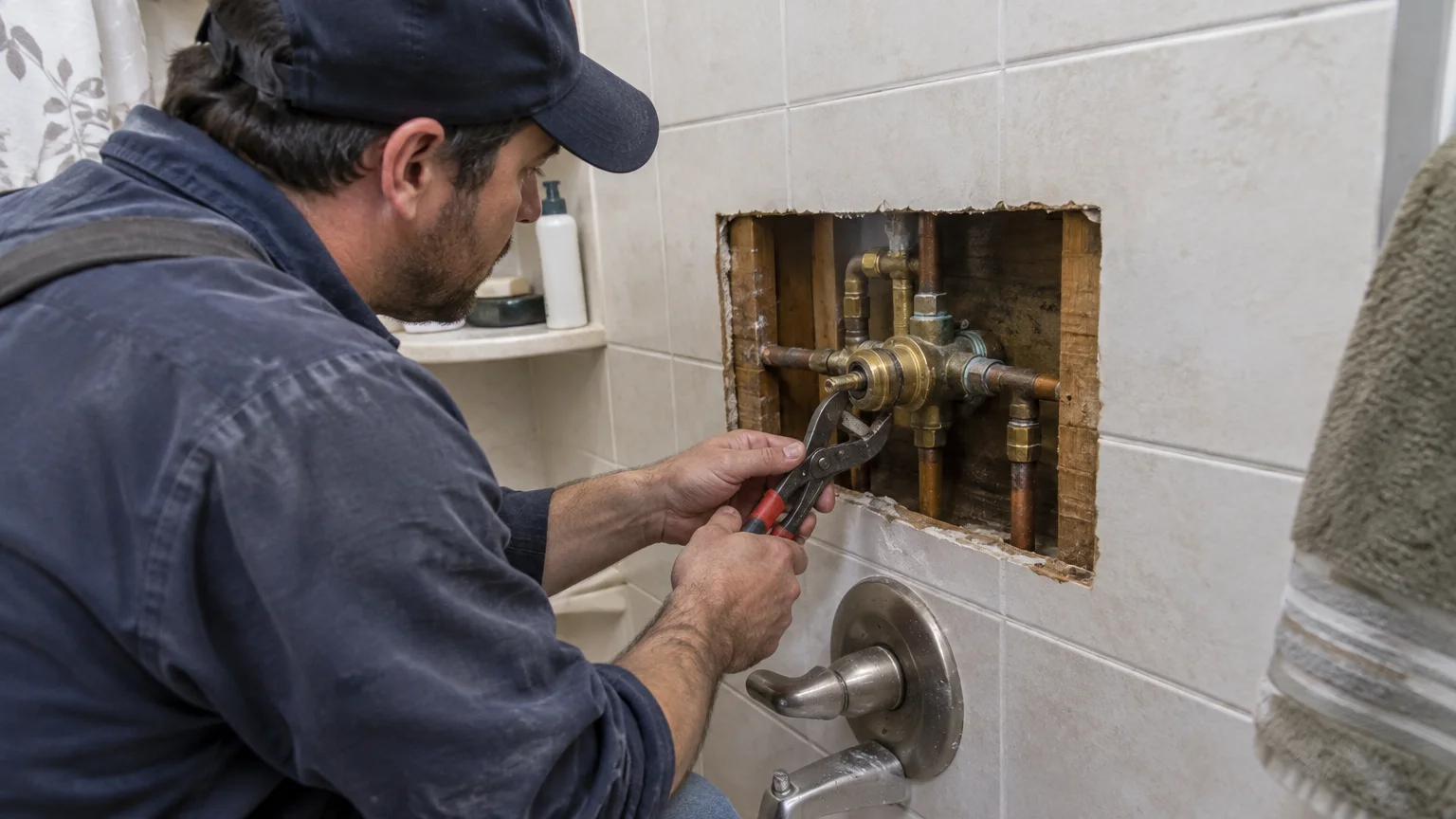
- How much does fixture repair cost in the USA?
- What factors affect the cost of repairing a plumbing fixture?
- How much does toilet repair cost?
- How much does faucet repair cost?
- How much does valve repair or replacement cost?
- What other plumbing fixture repairs can affect the total cost?
- How can you keep fixture repair costs under control?
- Frequently Asked Questions
How much does fixture repair cost in the USA?
Fixture repair cost changes with the fixture and the fault found. A worn washer or dirty aerator is often a smaller repair than a damaged valve, hidden leak, or broken pipe connection. The final quote depends on the parts, work time, access, and condition of nearby plumbing.
What the total repair cost typically includes
A repair may include testing, removing damaged parts, fitting new parts, checking the fixture, and cleanup. Some jobs also need work on a pipe behind a wall or below a floor. That hidden work may change the job after the fixture is opened.
The fixture type also matters. Basic toilets and faucets often use common parts. Specialty fixtures may need a matching cartridge, seal, handle, or valve. Older fixtures may have stuck screws, rusted fittings, or worn connections that make removal harder.
A plumber should explain what failed and what the repair includes. The final cost should be confirmed on a quote before work starts. This helps owners understand the work and plan their budget.
Why a repair may cost more or less than replacement
Repair often makes sense when the fixture body is sound and parts are easy to find. Replacement may be better when the fixture has heavy rust, several failing parts, or repeated leaks. A new fixture may also use water more efficiently and be easier to clean.
Owners in Chino Valley can compare repair and replacement choices based on the fixture’s age and condition. Chino Valley Plumbing can help with that decision. The newest fixture is not always the best choice. The right option is the one that fixes the problem and gives steady use.
What factors affect the cost of repairing a plumbing fixture?
The main factors include the fixture type, failed part, access, and nearby pipe condition. Urgent damage may need quick action because leaks can harm floors, cabinets, walls, and stored items.
Fixture type, brand, age, and accessibility
Toilets, faucets, shower valves, and sink connections use different parts. The brand and model can affect part supply. Old fixtures may need careful removal because seals harden and fittings rust over time.
Access also changes the work. A faucet under an open sink is easier to reach than a valve behind tile. A concealed shower valve may need wall access. Tight cabinets can make a small repair take more care.
Owners should share the fixture brand and model when possible. Photos can show the layout before the visit. Clear details may help the plumber bring the right part and avoid delays.
Parts, labor complexity, and underlying plumbing problems
Some repairs involve one visible part. Others reveal a larger issue. A dripping faucet may need a cartridge, but a damaged supply hose or rusted shutoff valve may also need work.
A toilet that keeps running may have a worn flapper, fill valve, or flush valve. A fill valve lets water refill the tank after a flush. The plumber must also check the tank connection and water shutoff during the repair.
The same rule applies to leaks. To find a plumbing leak, the plumber traces water from the visible mark back to its source. Water can travel along framing or cabinets before it appears. Fixing only the fixture may leave the real source in place.
How much does toilet repair cost?
Toilet repair cost depends on whether the fault is in the tank, at the base, in the supply line, or in the drain. Common repairs include a flapper, fill valve, flush handle, wax seal, or supply connection. A blocked drain may need separate drain repair.
Common toilet repairs and their relative cost
A toilet that keeps running often has a worn flapper, float, fill valve, or flush valve. These parts control water moving into and out of the tank. A simple adjustment or part change is usually less involved than work on a cracked tank or hidden pipe.
Homeowners can check if the handle is stuck and whether the water stops after flushing. They can clean mineral buildup from parts they can reach. They should not force old fittings, since a cracked tank or broken connector can cause a larger leak.
A toilet leaking at the base may have a failed seal or movement at the floor connection. Water near the floor should not be ignored. Continued leaking can damage the floor and allow moisture into the subfloor.
When a toilet should be repaired or replaced
Repair often works well when the bowl and tank are sound. Replacement may be better when porcelain is cracked, the toilet rocks after fastening, or many parts fail together. Poor flushing that continues after repair may also point to replacement.
A professional can check the toilet, shutoff, supply line, and drain connection as one system. Chino Valley Plumbing helps homes and businesses when the cause is unclear. The goal is a lasting fix, not a quick patch that fails again.
How much does faucet repair cost?
Faucet repair cost depends on the faucet style, failed part, access, and supply connection condition. A drip may come from a cartridge, washer, O-ring, valve seat, or loose connection. The visible water does not always show the true cause.
Repairing leaks, cartridges, handles, and aerators
A faucet cartridge controls water flow and temperature in many single-handle models. Two-handle faucets may use cartridges, stems, washers, or seats. A plumber removes the handle and trim, checks the parts, and tests the faucet after repair.
An aerator is the small screen at the end of a spout. It mixes air with water and can collect grit or mineral buildup. A homeowner can often remove and clean it with care. If the faucet still leaks, the problem may be deeper inside.
Loose handles, stiff movement, low flow, and water under the sink also need attention. Supply hoses and shutoff valves should be checked before opening the faucet. A leak inside a cabinet can damage wood and stored items before it is easy to see.
When faucet replacement is the more practical option
Replacement may be better when the faucet body is cracked, badly rusted, or hard to match with new parts. It may also fit a remodel or an owner who wants easier water control and cleaning.
A replacement faucet must fit the sink openings and connect correctly to the supply lines. The shutoff valves should close fully before removal. If they do not, forcing them can cause pipe repair needs or a sudden leak.
How much does valve repair or replacement cost?
Valve repair or replacement cost depends on the valve type, its location, and the condition of the connected pipe. Common examples include shutoff valves, toilet fill valves, flush valves, shower mixing valves, and appliance supply valves.
Shutoff, fill, flush, and mixing valve problems
A shutoff valve controls water to one fixture or part of a building. If it drips, will not close, or feels stuck, it can make later repairs harder. A plumber may repair it or replace it when the body or connection is worn.
A toilet fill valve refills the tank after a flush. A bad fill valve can cause running water, slow filling, or noise. To repair one, the water must be shut off and the tank connection checked for leaks after the new part is fitted.
A mixing valve controls hot and cold water. Problems may cause poor temperature control, low flow, or a shower that stays too hot or cold. Some mixing valves sit behind a wall, so access can add work.
How access and pipe condition affect the work
Valves in open cabinets are easier to reach than valves behind tile or finished walls. Rusted pipe threads can make removal harder. Old metal pipe needs extra care so it does not break during disconnection.
A homeowner can find which valve serves a fixture and keep the area clear. A homeowner should not force a seized valve or cut a pipe without the right tools. Water can spread quickly when a fitting breaks.
What other plumbing fixture repairs can affect the total cost?
Sink, shower, tub, garbage disposal, and connection repairs can add to the job when several fixtures share a water or drain problem. The total depends on the number of faults and whether the issue reaches into a wall, cabinet, or floor.
Sink, shower, tub, and fixture connection repairs
A sink may leak from the drain, trap, faucet, supply line, or basin connection. A shower may need work on the head, diverter, handle, cartridge, or valve. A tub may leak at the waste assembly, overflow, or supply connection.
A garbage disposal repair may involve a jam, reset switch, wiring issue, drain connection, or worn unit. A homeowner can turn off power before checking a reset button. No one should place a hand inside the disposal. Ongoing noise or leaking needs professional testing.
Water stains under a sink or near a tub should be checked soon. To find a water leak in a house, a plumber may test fixtures and inspect exposed pipes. The source may be away from the wet spot.
Commercial fixture repairs and multi-fixture service
Businesses may have public toilets, commercial faucets, urinals, break-room sinks, and service sinks. Heavy use can wear parts faster. Even a small leak can affect staff, visitors, stock, or daily work.
When several fixtures fail, the cause may be a shared supply line, drain, pressure problem, or shutoff. A clear repair plan helps owners address urgent faults first. It also helps prevent repeat visits caused by missed related problems.
How can you keep fixture repair costs under control?
Early action, safe checks, and clear details can help limit damage. Owners should treat dripping, running, slow, or damp fixtures as warning signs instead of normal wear.
Warning signs that should not be ignored
The following signs need prompt attention:
- A toilet runs after every flush or refills without use.
- A faucet drips after the handle is fully closed.
- Water collects inside a cabinet or around a fixture base.
- A valve will not close or shows rust and moisture.
- A shower changes temperature without handle movement.
- A fixture makes new banging, hissing, or grinding sounds.
A burst pipe needs immediate action. Shut off the main water supply if it is safe, and keep electricity away from standing water. Emergency Plumbing may be needed when water will not stop or damage is spreading.
What to check before arranging professional repairs
A homeowner can note when the problem occurs, which fixture is affected, and whether water stops after the local shutoff closes. Photos of the fixture, valves, labels, and visible damage can help explain the issue.
Simple cleaning is safe for many aerators and visible screens. A homeowner may also replace batteries in a sensor faucet when the design allows it. Do not open gas appliances, cut pipes, remove wall finishes, or work near live electrical parts.
Key takeaways
- Fixture repair cost changes with parts, access, urgency, and hidden damage.
- A running toilet often needs a flapper, fill valve, or flush valve check.
- Faucet leaks may come from cartridges, washers, aerators, or supply lines.
- Stuck or leaking valves should not be forced by an untrained homeowner.
- Early testing can limit water damage and repeat plumbing repair.
Frequently Asked Questions
Is it better to repair or replace a plumbing fixture?
Repair is often best when the fixture body is sound and parts are available. Replacement may be better when the fixture is cracked, badly rusted, outdated, or has several failing parts. A plumber can compare the condition, expected service life, and repair needs before the owner decides.
How can someone fix a toilet that keeps running?
A homeowner can check if the handle is stuck and whether the flapper closes after flushing. The water level and fill valve may also need attention. If the tank keeps refilling, the supply connection leaks, or the shutoff fails, professional toilet repair is safer.
How can someone find a plumbing leak?
Start by checking visible supply lines, fixture bases, cabinets, ceilings, and water meter movement when all fixtures are off. Water may travel before it appears, so the wet spot may not show the source. A plumber can test the system and inspect hidden areas when needed.
Can a homeowner repair a toilet inlet valve?
A homeowner may replace an accessible toilet inlet valve when the shutoff works and the connection is easy to reach. The tank must be checked for leaks afterward. A stuck shutoff, rusted fitting, or damaged supply pipe needs professional help instead of force.
What should someone do if a pipe bursts at home?
Shut off the main water supply if it is safe, open a nearby tap to reduce pressure, and move belongings away from the water. Stay clear of wet electrical areas. Emergency Plumbing can help when water continues flowing, the source is hidden, or walls and ceilings are affected.
Conclusion
Fixture problems rarely improve when they are ignored. A small drip can damage cabinets, floors, walls, or stored items. A careful check can show whether cleaning is enough or whether a failed part needs replacement.
Property owners in Chino Valley can get help understanding fixture repairs, valve problems, leaks, and replacement choices. Chino Valley Plumbing helps with these plumbing concerns. Contact us to arrange professional plumbing help when a fixture keeps leaking, will not work, or may have caused hidden water damage.